

Calendar ”Beauty of Ukraine” 2025
About the calendar
On February 24, 2022, eight years after the annexation of the Crimean Peninsula and the occupation of Ukraine’s eastern regions, Russia launched a full-scale war against Ukraine.
Millions of Ukrainians woke up that morning to the sound of explosions as Russian missiles struck military and infrastructure targets in major cities across Ukraine. Simultaneously, Russian troops invaded Ukraine from the north, east, and south, rapidly occupying significant territories with plans for a swift capture of the capital, Kyiv, and the overthrow of Ukraine’s constitutional government.
However, the determined resistance of the Ukrainian people, their desire for freedom, and their readiness to defend their homeland thwarted the aggressor’s plans. Ukraine continues to fight to this day.
Some of the photographs in this calendar were taken in areas currently under Russian occupation, and some areas were disfigured by military actions. It is unknown whether these places will ever regain their former beauty.
Symbolically, we begin the calendar on February 24, as this date has divided the life of Ukrainians into ‘before’ and ‘after’.
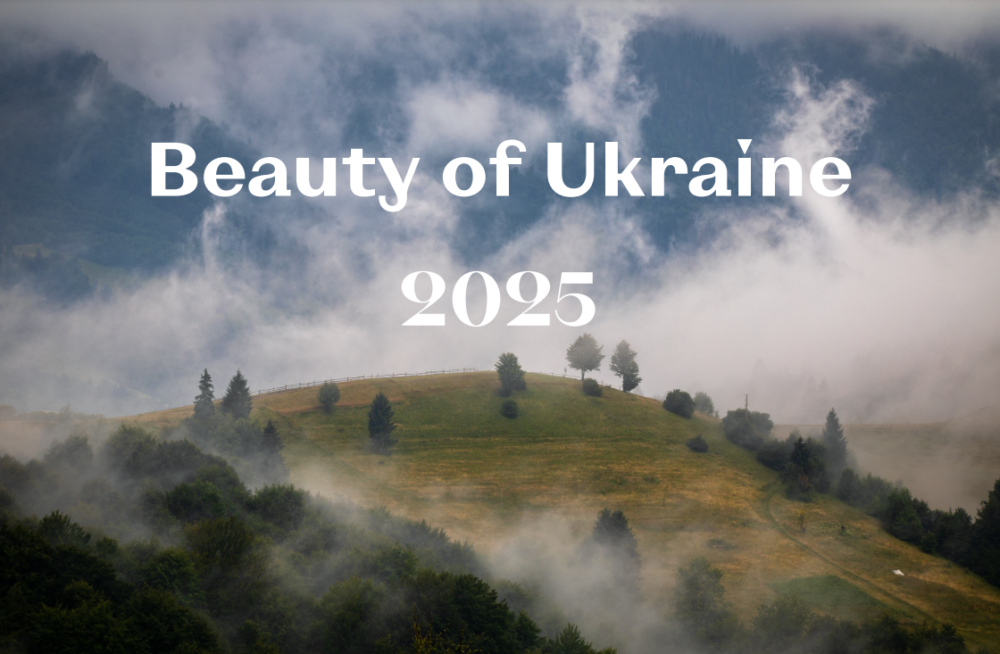
Author: Oleksandr Kovshun
Location
Стаття українською
Synevyr Pass, also known as the “Fog Pass,” is a hidden gem in the Carpathian Mountains, famous for its mystical cloud formations, especially in the mornings. This scenic spot leads to Synevyr National Nature Park, home to the renowned Synevyr Lake, a UNESCO World Heritage Site known for its pristine virgin beech forests—some of the last remaining in Europe.
Synevyr Lake is the largest and deepest alpine lake in the Carpathians, formed 10,000 years ago by a landslide. Its cool, blue waters, with a small island at the center, are often called “the eye of the sea.”
Nearby, the Synevyr Brown Bear Rehabilitation Center plays a key role in protecting Ukraine’s endangered brown bears. With only about 300 remaining in the Carpathians, the center provides a safe, natural environment for their rehabilitation.
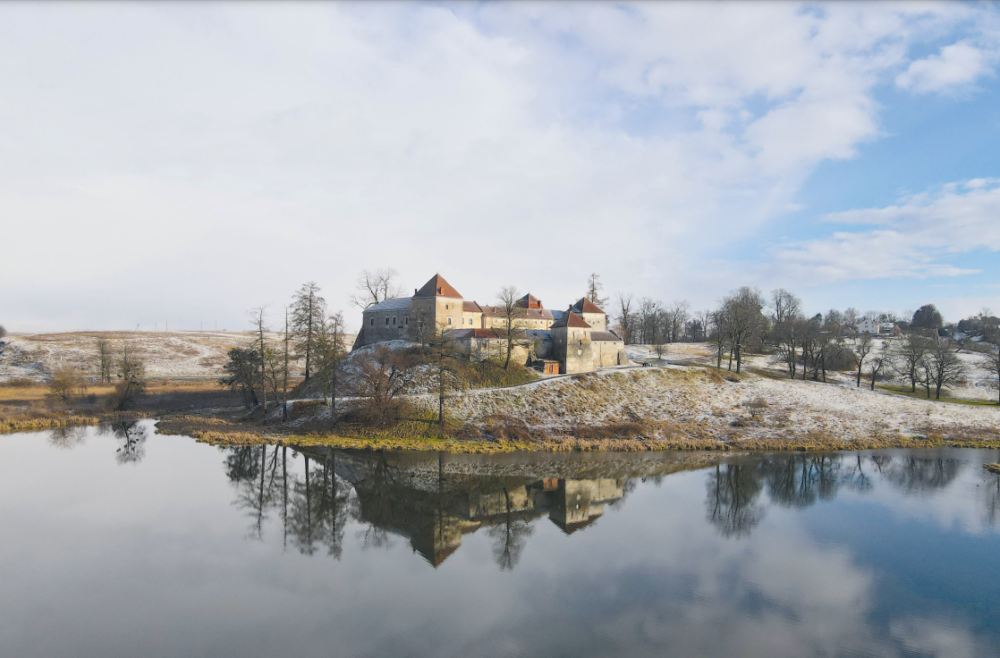
Author: Olga Vaisero
Location
Стаття українською
Svirzh Castle, built in the 14th century, is a stunning example of a fortress. Throughout its history, it has played a significant role in the political, military, and cultural life of western Ukraine. In the Middle Ages, it was a key fortification and even housed the royal treasure!
It protected the borders of the Kingdom of Poland from Tatar invasions. Severely damaged during the Russo-Turkish War, it was abandoned but later restored in the 19th century in neo-Gothic style. Nationalized after World War II, the castle suffered during the Soviet era but has since been carefully restored. Today, it stands as a major tourist attraction in the Lviv region, rich in history and architectural beauty.

Author: Anna Lipeeva
Location
Стаття українською
The steppe is a grassland plain with few trees, typically found in Eurasia, with regional names like prairie in North America and pampas in Argentina. The Ukrainian steppe covers southern Ukraine, excluding the Crimean Mountains, and is part of the vast Eurasian steppe, which has been home to nomadic empires and ancient states such as Scythia, Cimmeria, Sarmatia, and the Mongols.
For Ukrainians, the steppe, or “Wild Field,” symbolizes freedom, with early Cossack settlements playing a key role in Ukraine’s statehood.
The region’s fertile black soil has been heavily farmed, leaving only a few natural reserves. Many of these reserves are now in territories occupied by Russia or areas affected by Russia’s full-scale invasion of Ukraine since February 2022, where they face destruction from fires, explosions, mines, and heavy equipment.
The “Stone Tomb” (Kam’yana Mohyla) in the steppe near Melitopol is a historic site, home to thousands of ancient petroglyphs spanning from the Paleolithic to the Middle Ages, making it unique in the world. Since Russia’s invasion in 2022, the site has been under occupation. In November 2022, Russia annexed it to the occupied Crimean museum reserve “Tauric Chersonese,” and in May 2023, they stole 120 priceless artifacts, relocating them to Sevastopol. Even more disturbing, the Russians have turned this sacred site into a military training ground, desecrating Ukraine’s cultural heritage and further erasing its history.
The steppe is vital for migratory wildlife, but its destruction has led to the extinction of steppe ungulates in Ukraine. The steppe’s unique “upside-down forest” structure helps combat climate change by sequestering carbon through its deep root systems.
Author: Oleksandr Kovshun
Location
Стаття українською
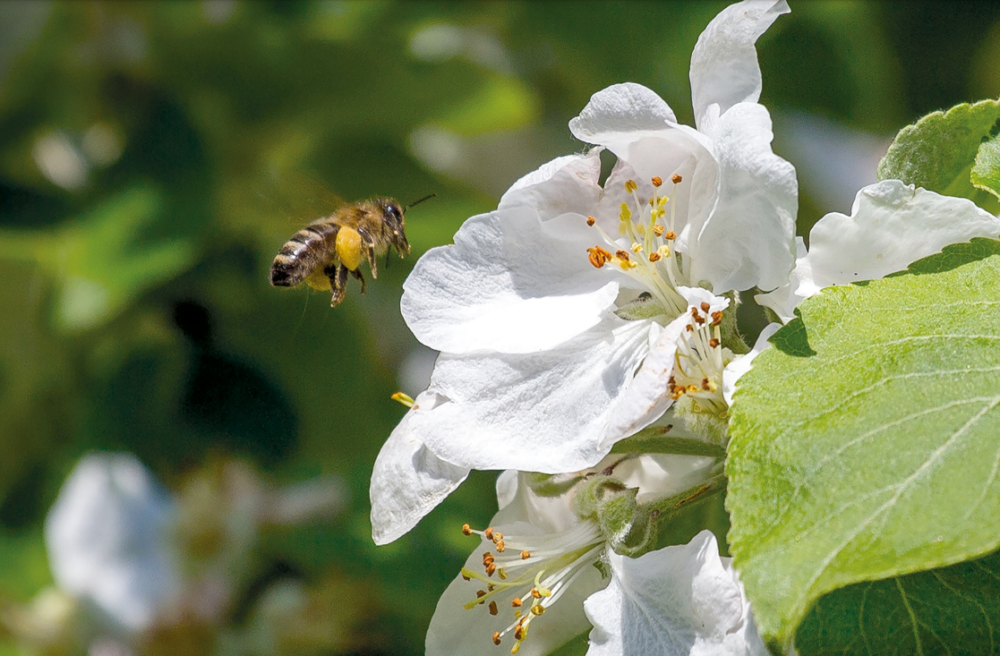
Truskavets , a popular health resort in Ukraine for over 200 years, attracts 350,000 visitors annually. Once a cultural hub linked to cities like Prague and Vienna, it was regarded as a top European resort by the 19th century. Ukraine, one of the world’s top honey producers, has honey central to its cuisine, symbolizing prosperity. In 1814, Ukrainian Petro Prokopovych invented the world’s first removable frame beehive, revolutionizing beekeeping and founding Europe’s first beekeeping school.
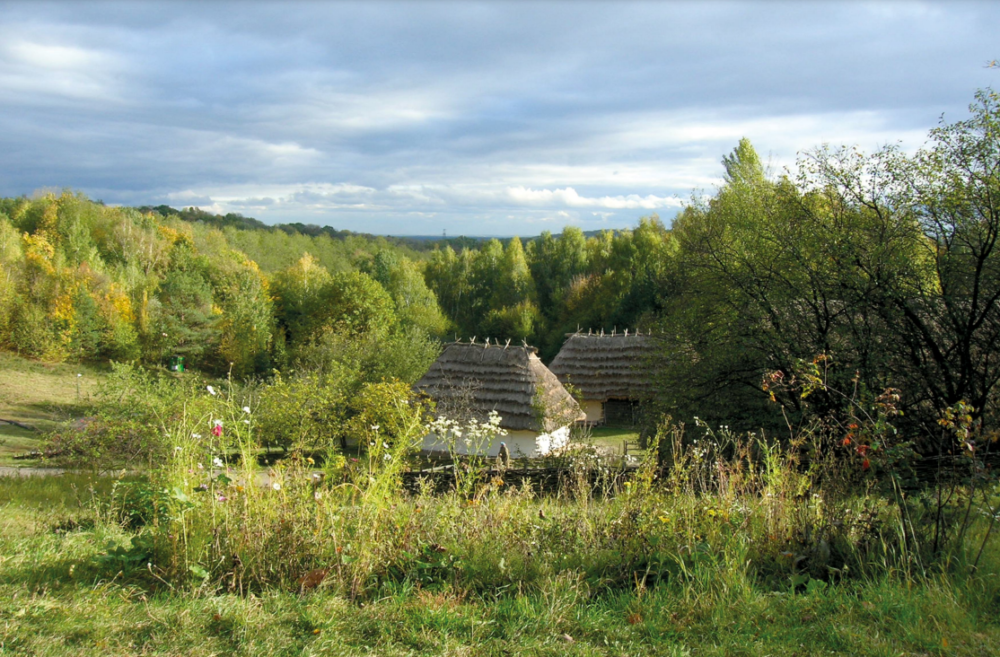
Author: Lyolya Filimonova
Location
Стаття українською
The Museum of National Architecture and Folk Life in Pyrohiv is the largest open-air museum in Europe, spanning 150 hectares of scenic hilly landscape in the suburbs of Kyiv. It features over 300 exhibits collected from across Ukraine, highlighting the country’s traditional architecture, folk art, and rural heritage.

Author: Anna Lipeeva
Location
Стаття українською
The village of Petrykivka in the Dnipro region is famous for its eponymous folk art, Petrykivka painting, traditionally used to decorate houses, musical instruments, and household items as protection from the evil eye. Today, it has become one of Ukraine’s most recognizable cultural symbols worldwide.
Petrykivka painting dates back to the early 18th century. Artists use a unique brush called a “koshachka” (cat’s brush), which is handmade from a tuft of cat hair tied to a stick. The wool for the brush is taken from under the cat’s paws (a small tuft is cut off). The cat’s brush creates a unique pattern that cannot be made with other brushes.
This art is characterized by fantastic flowers with no direct analogues in nature. Each artist’s style is unique, and true masters can paint without pre-planned outlines, a skill honed over time. In 2013, Petrykivka painting was recognized by UNESCO as part of the world’s intangible cultural heritage. It also entered the Guinness Book of Records for a 130-meter-long mural painted on a Ukrainian military base fence.
Author: Kateryna Scherbakova
Location
Стаття українською
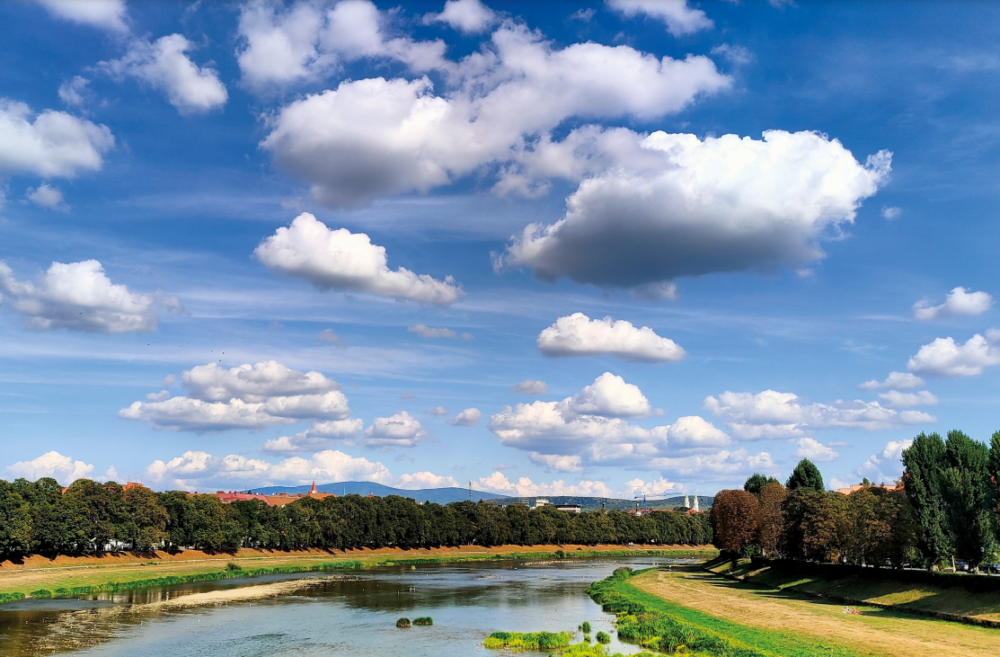
Uzhhorod, the westernmost and least populated regional center of Ukraine, is built on seven hills like Rome. As the capital of Transcarpathia, it sits at the crossroads of Romania, Hungary, Slovakia, and Poland, making it a vibrant cultural hub. The region is known for its winemaking traditions, and in May 2024, Transcarpathian wine earned geographical indication status for its unique quality. Uzhhorod is also one of Ukraine’s greenest cities, with Europe’s longest lime tree avenue and beautiful sakura blossoms in spring. During the 2022 Russian invasion, it provided refuge to thousands of displaced Ukrainians.
Author: Anna Lipeeva
Location
Стаття українською
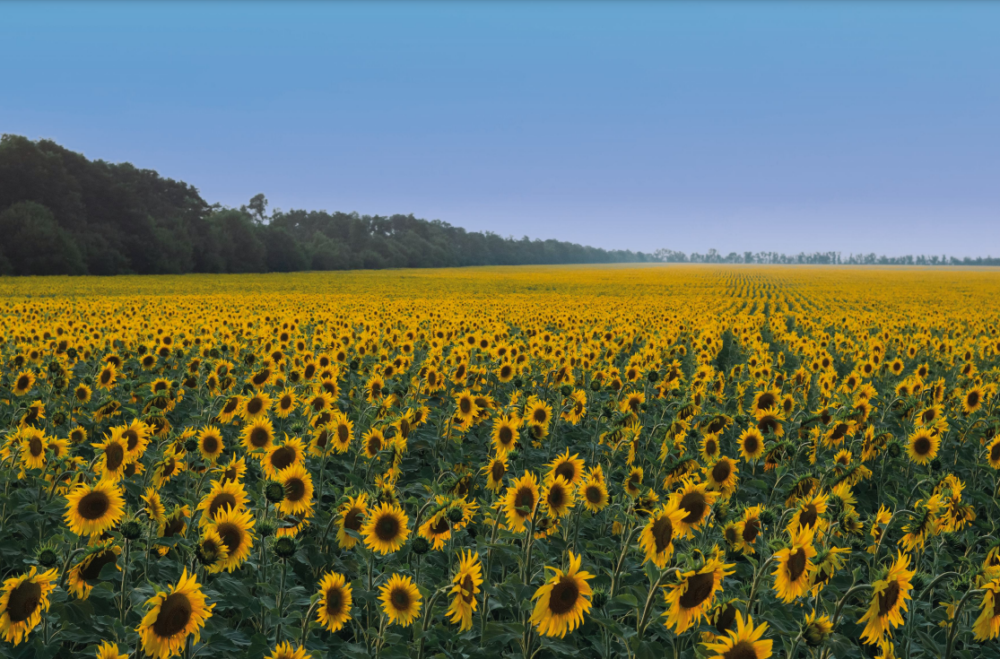
Dnipro, Ukraine’s fourth-largest city, blends history with modernity, featuring ancient landmarks and sleek skyscrapers. Its 23-kilometer quay along the river is the longest promenade in Europe. Named after the Dnipro River, the longest in Ukraine and the second-longest in Europe, the city is an industrial hub, producing Zenit missiles. The river, historically known as “Borisfen,” is significant for the baptism of Kyivan Rus by Volodymyr the Great. Dnipro is home to Ukraine’s largest hydroelectric station, DniproHES, which raised the river’s level for navigation. On March 22, 2024, Russian forces attacked the station, cutting power to Kharkiv and marking one of the war’s most significant strikes on Ukraine’s energy infrastructure.
Author: Vasyl Severynenko
Location
Стаття українською
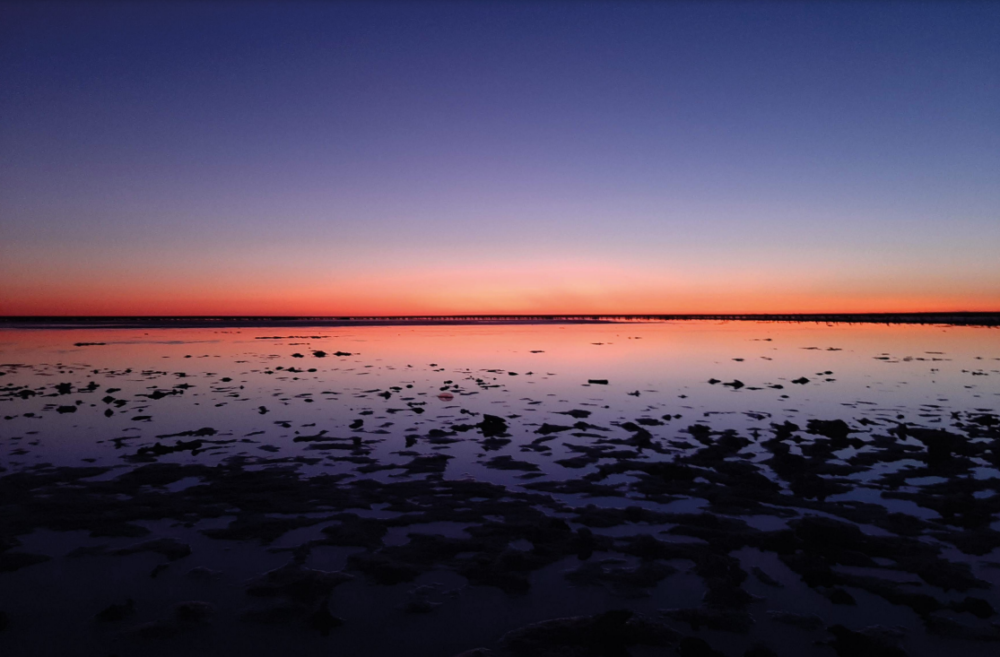
Lake Henicheske (or Lemurian Lake) is located near the town of Henicheska Hirka in the Kherson region. Since February 24, 2022, it has been under illegal Russian occupation.
The lake is famous for its unique pink (or Kefaysk) salt, with only four such salt deposits in the world. Historically, the salt from Lake Henicheske was considered the finest of its kind.
Author: Tetyana Gyrska
Location
Стаття українською
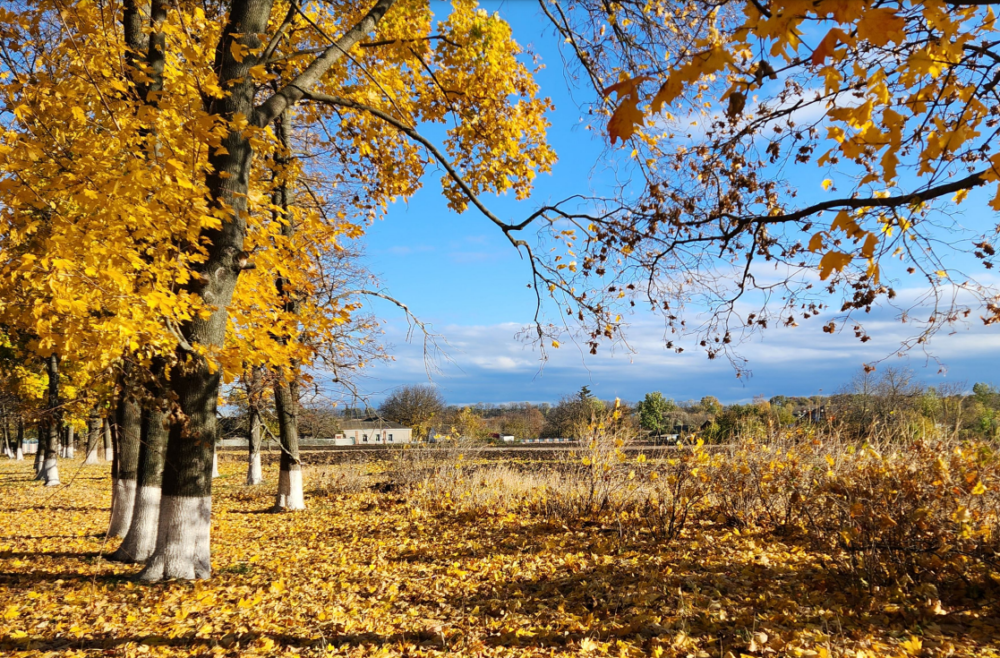
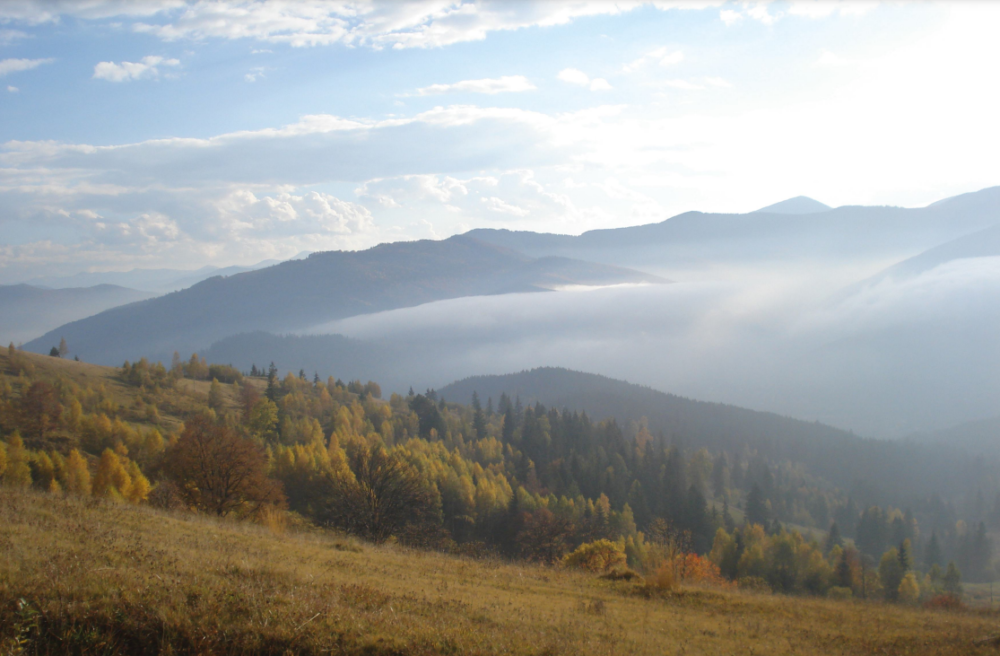
The village of Pohorila is nestled in the Vinnytsia region, a land celebrated for one of Ukraine’s greatest natural treasures: the rich, fertile black soil, widely regarded as the best in Europe.
A standout attraction of the Vinnytsia region is the Illinetskyi Crater, Ukraine’s only meteorite impact site that partially reaches the surface. At 400 million years old, it is one of the oldest craters in Europe, offering a unique glimpse into the past.
Vinnytsia is also known for the ROSHEN Fountain, the world’s largest river light and music fountain. Its innovative design allows it to be submerged in winter, and with a laser projector and water-air mixture screen, it can display stunning 3D video projections. is located near the town of Henicheska Hirka in the Kherson region. Since February 24, 2022, it has been under illegal Russian occupation.
Author: Kateryna Scherbakova
Location
Стаття українською
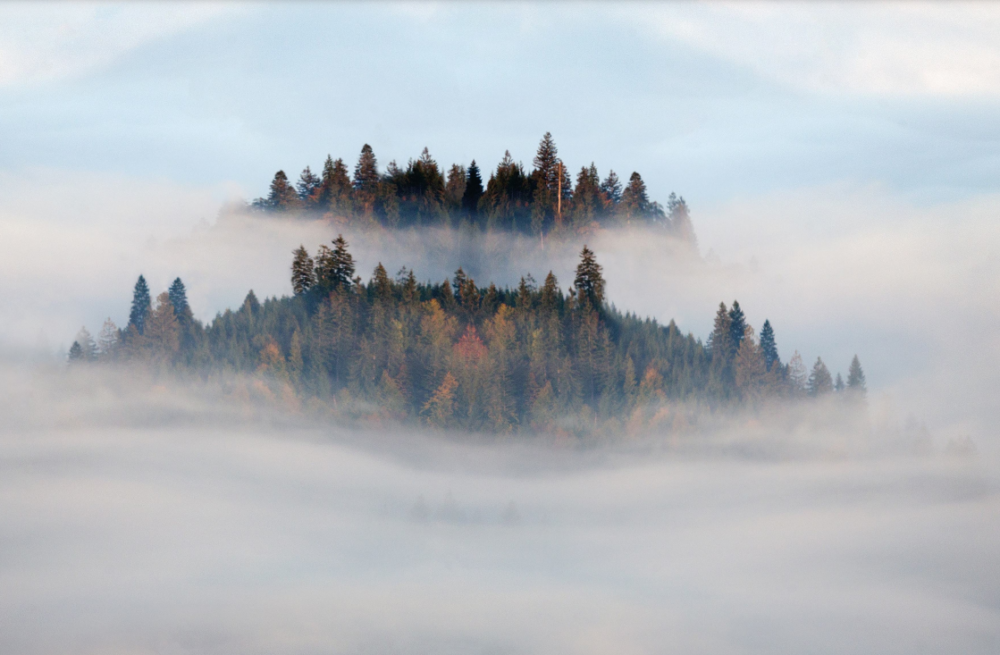
Mount Makovytsia , at 984 meters, is a stunning peak in the Ukrainian Carpathians, located to the east of Yaremche in the Carpathian National Nature Park. It is home to a rare relict pine, one of the oldest tree species, symbolizing the area’s pure air.
The mountain is also famous for the Dovbush Trail, a memorial to Oleksiy Dovbush, the Ukrainian Robin Hood, who led the Opryshky insurgents in aiding the poor.
Yaremche, a popular resort town, welcomes hundreds of thousands of tourists annually. It boasts Europe’s largest arched railway bridge, built in 1894, and is home to Ukraine’s first tourist club (1896) and the country’s first hotel (1901).
Author: Oleksandr Kovshun
Location
Стаття українською
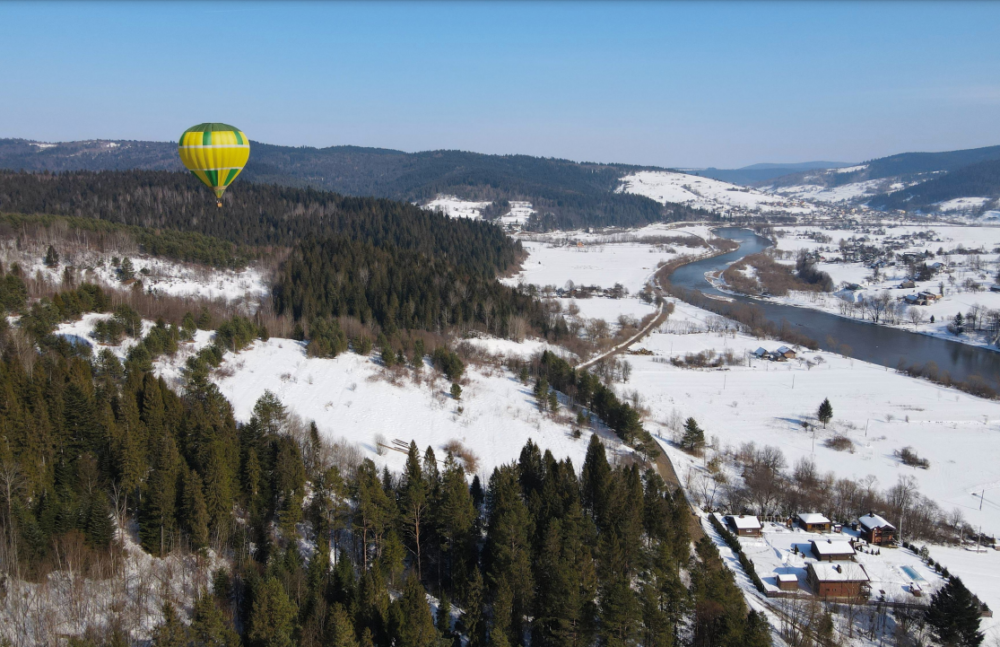
The Yablunytsky Pass, located in the Ivano-Frankivsk region of Ukraine, is the highest pass in the Ukrainian Carpathians at 931 meters above sea level.
Author: Olga Vaisero
Location
Стаття українською
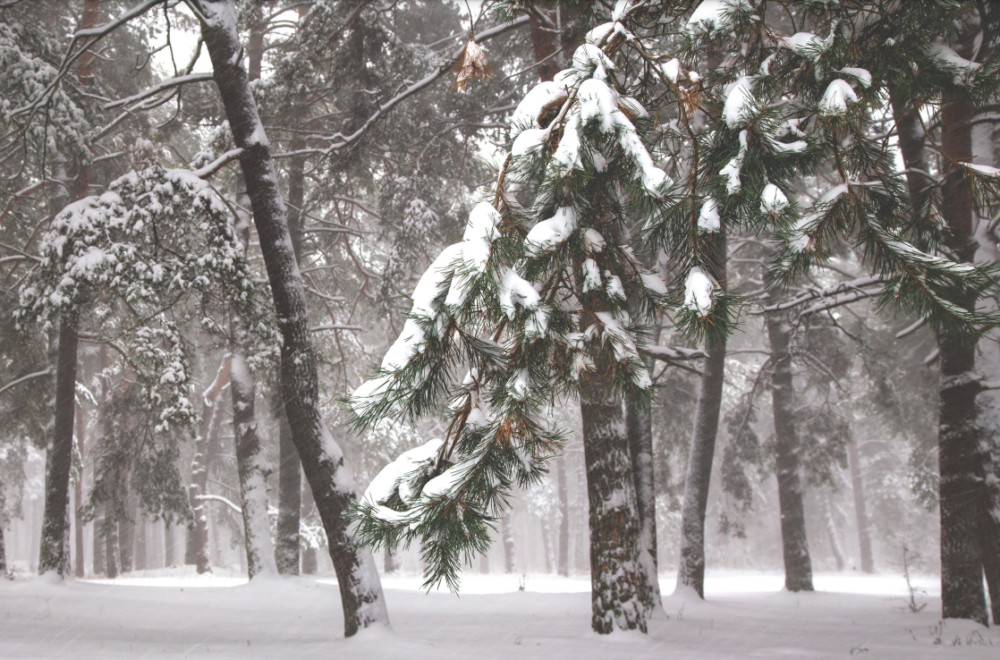
Skhidnytsia is a famous balneological resort known worldwide for its healing Naftusia mineral waters. Nearby, the Tustan Nature Reserve features unique 60-million-year-old sandstone formations and is home to the ancient city of Tustan, once a 9th-13th century fortress. This historical site is now a State Historical and Cultural Reserve. In the 19th century, the discovery of oil and ozokerite attracted industrialists from Europe and the U.S. to Skhidnytsia.
Author: Oleksandr Kovshun
Location
Стаття українською
Rivne, one of Ukraine’s oldest cities, gets its name from the local “rivne” terrain, meaning “plain.” As one of the country’s 24 regional centers, it boasts a rich history, having served as Ukraine’s capital three times, including during Nazi occupation from 1941 to 1944. Today, Rivne is a key hub for the amber industry and is home to Ukraine’s only amber museum, where visitors can see unique exhibits, including ancient insect inclusions.
Author: Vasyl Severynenko
Location
Стаття українською
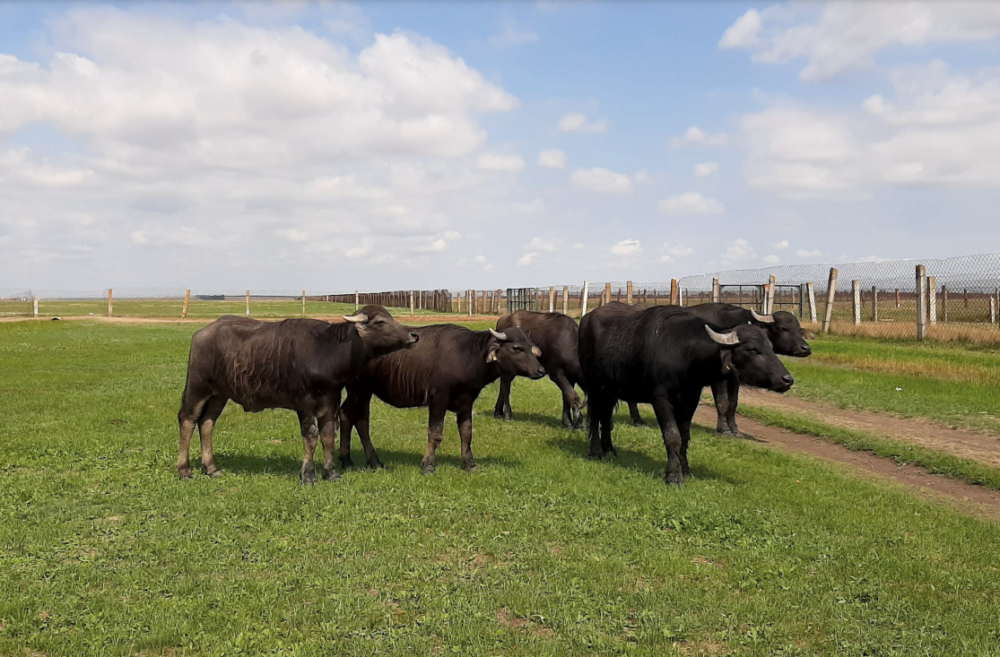
The Askania-Nova Biosphere Reserve, located in southern Kherson Region, was founded in 1898 by German Baron Friedrich Falz-Fein as a private reserve for exotic animals. It became part of the UNESCO Biosphere Reserve network in 1984.
As Europe’s largest steppe reserve, it attracts around 140,000 visitors annually. Since February 24, 2022, it has been under illegal Russian occupation, causing significant damage, including the destruction of wildlife, mass deportation of animals to Russia, and “safari” hunts—killing animals within the reserve.