

The Business Card of Cyprus: How a Ukrainian Created One of the Most Popular Beer Brands on the Island
As part of the “Ukrainian Brand of Cyprus” series, it’s author Anna Radko talks with local Ukrainian entrepreneurs about their businesses to inspire more people and encourage them to implement their own ideas.
“Enterprising, inventive, clever – Ukrainians have shown themselves in the best light abroad. Ukrainian projects captivate local communities and give each of us a reason to be proud. This is exactly how I felt after meeting the talented Ukrainian Taras Lozhenko, who is behind the well-known delicious beer brand Octopus,” shares Anna Radko, recounting her impressions and sharing the story of Taras and his brand.
Taras Lozhenko is also the author of several prominent Ukrainian projects. As a professional advertiser, he created advertising campaigns for brands such as “Selyanske,” “Good Food,” “Slando,” “Loto Zabava,” and others. His work has been recognized with awards at the Kyiv International Advertising Festival, and he founded his own advertising agency “YASNO.”
In 2012, Taras founded the “Dooobra Ferma” brand. The organic goat cheeses became widely popular not only in the Ukrainian market but also abroad. In 2016, Taras opened the first Cheese Museum in Ukraine, located in the center of Kyiv.
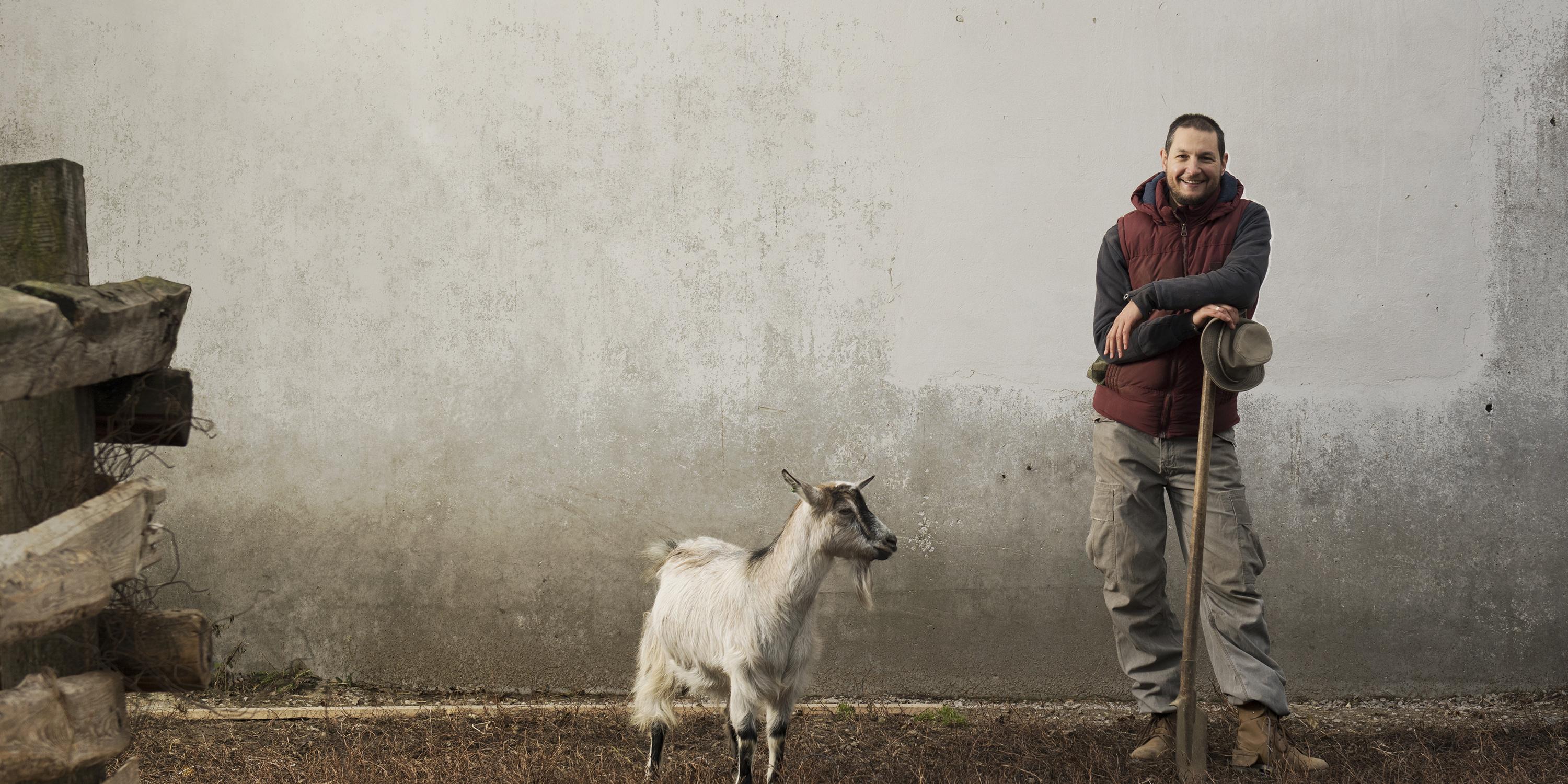
Later, Taras moved to Cyprus. In 2019, he bought the Prime brewery and revitalized it under his own brand, OCTOPUS. The beer quickly gained popularity among both tourists and the local community, making Taras Lozhenko a notable example of Ukrainian entrepreneurship abroad. His story is inspiring, and his dedication to his craft transforms into the quality of the product.
Octomicrobrewery
Anna: Taras, why did you choose the name “OCTOPUS”? What does it signify?
Taras: The brewery we bought was named Prime, which I found too presumptuous. We wanted a name that would be understandable to most tourists but also have local significance. The word “octopus” comes from the Greek word for eight, “octo,” which also names this remarkable creature. Moreover, octopus is a popular and delicious local delicacy.
Anna: What is the brewery’s production capacity?
Taras: We have the capacity to produce 4 tons per day, but currently, it’s 4 tons every two weeks. In the summer, we produce more. Our philosophy is “slow brew,” which involves a brewing cycle of 2 months. So, the beer we’re brewing now will be sold after two months.
Anna: Are all brewing ingredients local?
Taras: There’s nothing local here. The island lacks malt and hops. We import everything to Cyprus, only water is local. This increases production costs, of course.. For example, for Grape Ale, we use New Zealand hops with a Sauvignon Blanc grape aroma.
Anna: What about beer shelf life?
Taras: In the fridge, we guarantee a year. Without refrigeration, we achieve 5-6 months. This allows us to expand beyond refrigerated storage. Our strong Grape Ale, a beer-wine hybrid, has a 10-year guarantee. This is kind of an experiment. We understand that the taste will change with time, but can guarantee it will not become spoiled or not delicious.
Anna: Space and equipment – it’s the base. But also you need a team. Who did you start Octopus with and how many people is in your team now?
Taras: Our team has just 4 members. I handle all marketing. Initially, a Czech brewer helped us, followed by an Italian after. Now, we have Tetiana Volynska from Kharkiv, an experienced brewer who joined after the full-scale Russian invasion. We also have a document manager and a brewer’s assistant.
Anna: You recently entered the brewing industry without extensive experience. How did you choose a specialist to brew beer under your brand?
Taras: Trust is essential. When you bring a specialist into the team, you should trust their expertise. If they ask, “how should we do this?” you respond, “you’re the specialist, you tell us.” Conflicts arise when results don’t meet expectations. If I chose the hops or malt, I’d share responsibility. But it’s the brewer’s responsibility.
It’s more crucial for me to understand beer evaluation, not technology. For example, how to evaluate or understand the quality according to craft beer standards. Nutty taste is one of the flaws of beer, same as unwanted acidity.
Anna: So, are you the one who tests and judges the beer?
Taras: Not exactly. I prefer chocolate stouts, which are strong and sweet, but they don’t suit Cyprus, where people prefer sour flavors. So we don’t brew only what I like. Feedback from people who taste our drinks is vital. We experiment with flavors in our small 200-liter brewing kettle.
Anna: Who is your audience?
Taras: Primarily young people who appreciate quality flavors. Including expats and visitors of the island. They understand taste, have their own opinions, and aren’t swayed by advertising. They seek the best beer in Cyprus.
Anna: Recently, there’s been a saying: “Women are the future of the beer industry.” Do you brew “women’s beer”?
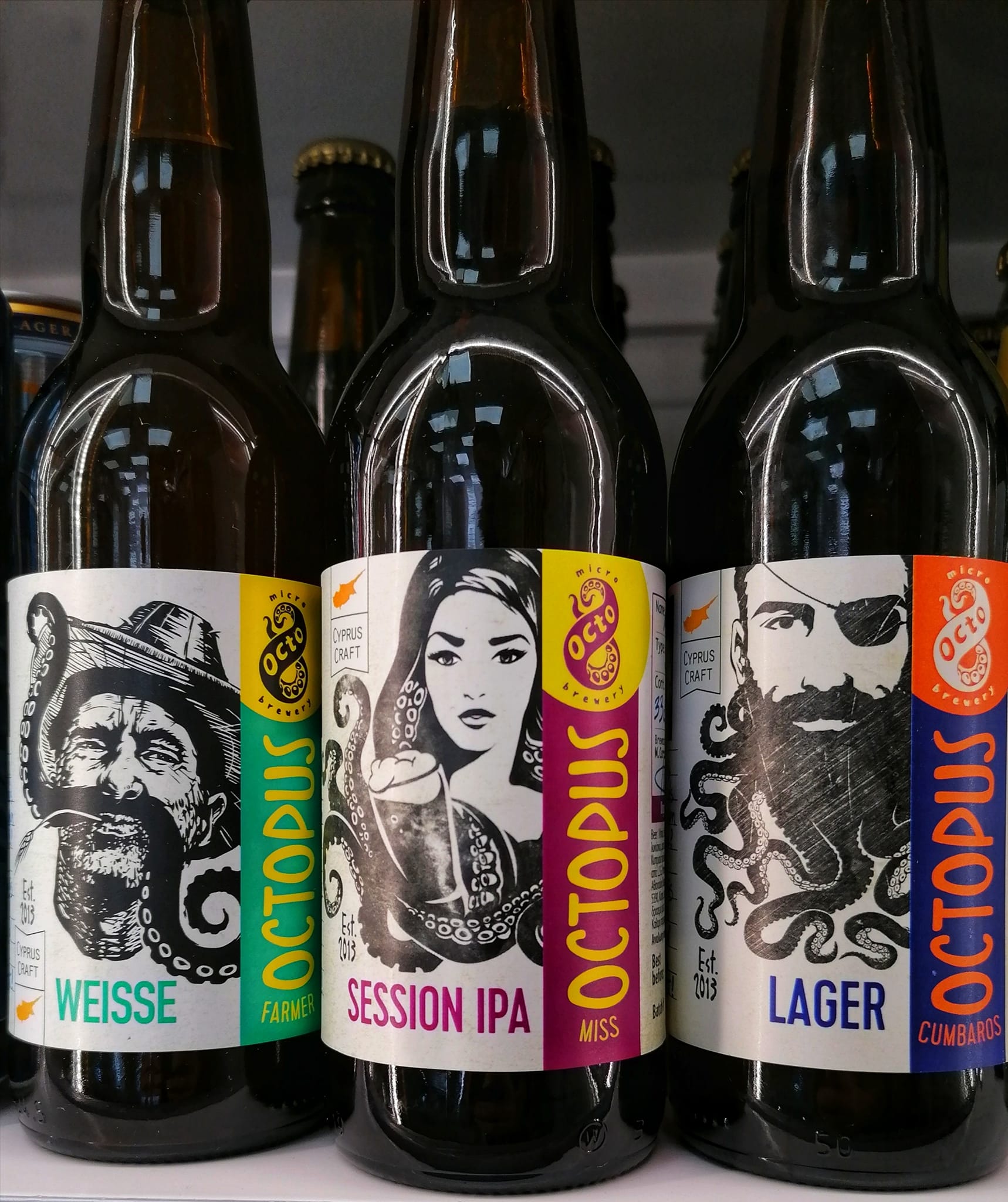
Taras: Our IPA label features a woman, not by chance. Very rarely men will drink a beer with a woman on the label. Women are an undervalued audience for real. Many prefer beer over champagne or cocktails. We don’t have a specific “women’s beer,” like “raspberry with bubble gum flavor”, but cater to all tastes. Once, we made a vanilla beer that was popular among women.
Anna: What about export?
Taras: Our Golden Grape Ale, with 9% alcohol, is exported to Germany through a collaboration with a German brewery. The owner, a tenth-generation brewer and one of the top three beer sommeliers in the world, often vacations in Cyprus. We met by chance, our brewer suggested a recipe, and the collaboration was successful.
The Oldest Beer in Europe and Wine Collaboration
Recently, English archaeologists discovered a 3800-year-old brewery near Paphos. They analyzed the ancient brewing process, from malt drying to beer brewing.
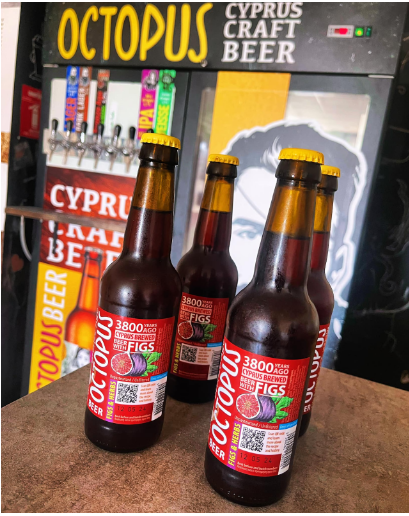
“Archaeologists found many charred malt seeds and a lot of fig seeds. It turned out that ancient brewers used figs to start fermentation due to the natural yeast on fig skins,” Taras Lozhenko explained.
At Octomicrobrewery, they revived this recipe. Taras’s team brewed ale with figs and herbs, with minimal hops and a significant amount of mountain herbs, resulting in a very light, easy-drinking beer.
“Cypriots are surprised to learn about their 3800-year-old brewing history. It’s the oldest beer in Europe and a unique highlight for Cyprus,” says Taras.
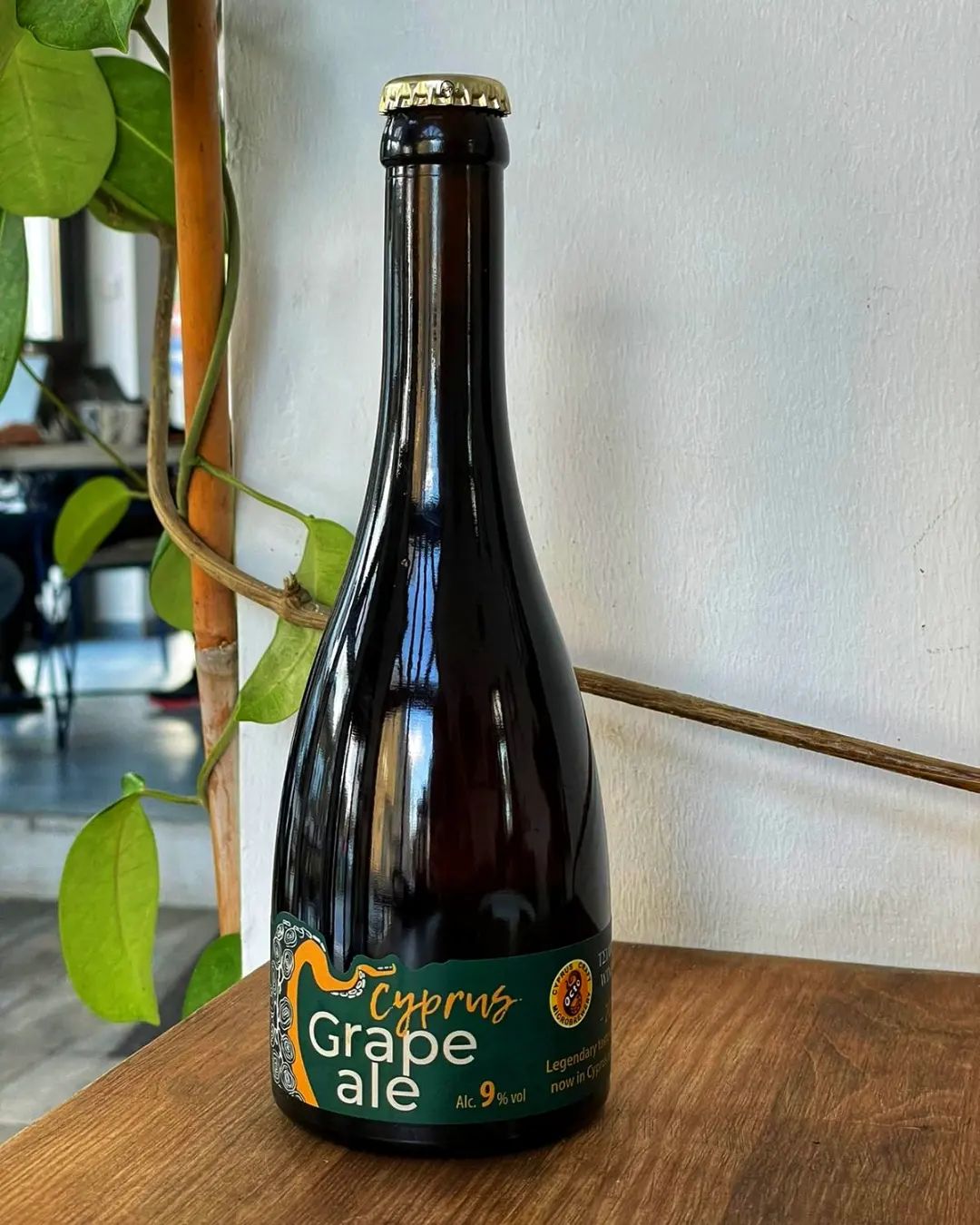
In our conversation, Taras also mentioned that there is competition with wine on the island. Cyprus is one of the few countries where beer and wine consumption is almost equal. Worldwide, the ratio is usually 1:5 in favor of beer. However, Taras saw a market opportunity and collaborated with wine. He successfully brewed beer with Cypriot wine Xinistery, creating a unique drink combining the sweetness and acidity of xinisteri with the classic beer taste. This beer won gold in Germany beating over 30 participants and was named “Grape Ale of the Year 2022”.
Anna: Is “Grape Ale” always available or was it a limited series?
Taras: “Grape Ale” is a permanent part of our lineup. It is a strong beer, ranging from 8 to 12% alcohol. We aim to appeal to wine lovers with it. The beer in the green bottle is drier, like prosecco, while the one in the red bottle has a caramel flavor. Women usually prefer the drier version, and men tend to like the caramel one.
Anna: What flavors are most popular on the island?
Taras: People from post-Soviet countries are bolder in their tastes. The English prefer bitter ales, while the local youth enjoy both sweet and sour fruity flavors. We’ve brewed beers with pineapples, cacti, and even watermelon, all of which turned out veeeery delicious.
Anna: Was brewing watermelon-flavored beer your decision or the brewer’s?
Taras: It was for a watermelon festival. Once I joked that I could brew beer from anything, even watermelon. This caught on, and we brewed it for the festival in his village. Festivals here are organized by municipalities, aiming to create activities and engage their electorate before the election. We were the only business there, with beautiful advertising and delicious products, drawing two large queues: one of guests and another of waiters who served the guests. This demand showed us the market’s readiness for craft beer. It was a limited edition, but we’ll brew more!
Anna: How about the cactus beer?
Taras: This beer has a rich raspberry flavor. The first batch had too much juice, making it taste like juice rather than beer, leading people to drink it quickly without realizing its alcohol content. After three glasses, its effect became evident.
This was one of our first fruit beer experiments. Cactus is a popular fruit in Cyprus, a natural antioxidant. The beer quickly captured the market. We joke that you can enjoy beer and detox at the same time.
Business and life in Cyprus
Craft beer culture is relatively new here. Local brewers were not much worried about the new tastes, preferring to stick with popular, inexpensive beers like Heineken, Carlsberg, and the local KEO, partly owned by an Orthodox church.
Anna: I’m sure not everything comes easily. Can you tell us about the challenges you face running a business on the island?
Taras: The main challenge is bar and restaurant owners of the old school who don’t understand how to profit from expensive craft beer. Craft beer sells well to an audience with money, as you earn more per glass. However, you have to compete for this audience.
New venue owners understand the need to differentiate and seek new concepts. But since we’re not Cypriots, we’re contacted last.
Another major issue is corruption regarding exclusive payments. Some companies pay to ensure only their products are sold, making it difficult to enter certain venues.
Anna: So, there is still a gap between “insiders” and “outsiders”?
Taras: Yes, but I admire it. Their priority is to support their own, even if a cheaper or better product exists. This is true in all aspects of life. It’s their way of protecting against foreigners. Money and quality are secondary; friendship and human relationships come first. Even if you have a better and cheaper product, they will choose to support their own. It’s a matter of honor.
Anna: What other aspects of working with Cypriots have surprised you?
Taras: I’ve been living here for 7 years but still open something new from time to time. For example, Cypriots never say “no” and often just don’t answer calls afterwards. Initially, this was frustrating. They prefer to leave possibilities open; if there’s no response, it probably means “no” for them and nothing for us. This mindset is different from ours. Also, Cypriots avoid competing directly. They value good relationships over money and won’t pursue clients already working with others. This approach highlights the priority on relationships rather than financial gain.
Anna: For Ukrainians, money is a strong motivation. Is that different here?
Taras: For Ukrainians, taking extra work for more money is normal. Cypriots, however, feel insulted if you think they can be easily bought. Good relationships come first for them. This is a common mistake made by our entrepreneurs, thinking everyone has a price. Locals avoid further contact with such businesses.
Anna: What stereotypes do you encounter?
Taras: Unfortunately, Ukrainians image is often negative. For instance, once a local shop owner told me he feared dealing with the mafia, assuming all Ukrainians are involved in it. Many Cypriots have had bad experiences with Ukraine, leading to a lack of trust and reluctance to see us as equal partners.
Anna: Do any locals work in your team?
Taras: Yes, for tasks like managing social media, we hire locals who understand the cultural nuances. This helps to avoid unintentional offenses and reputational damage. For example, we had to reprint invitations for a war photo exhibition because of a cultural misunderstanding.
Anna: You have an active advertising agency, a cheese factory, and now a brewery. How do you manage all these projects?
Taras: My cheese factory is under my full control, and I participate in the agency “YASNO.” However, the brewery demands most of my time as I handle marketing, management, and being the company’s face. It’s a significant workload but incredibly interesting. We’ve even created a beer museum at the brewery.
Anna: A beer museum? What exhibits does it have?
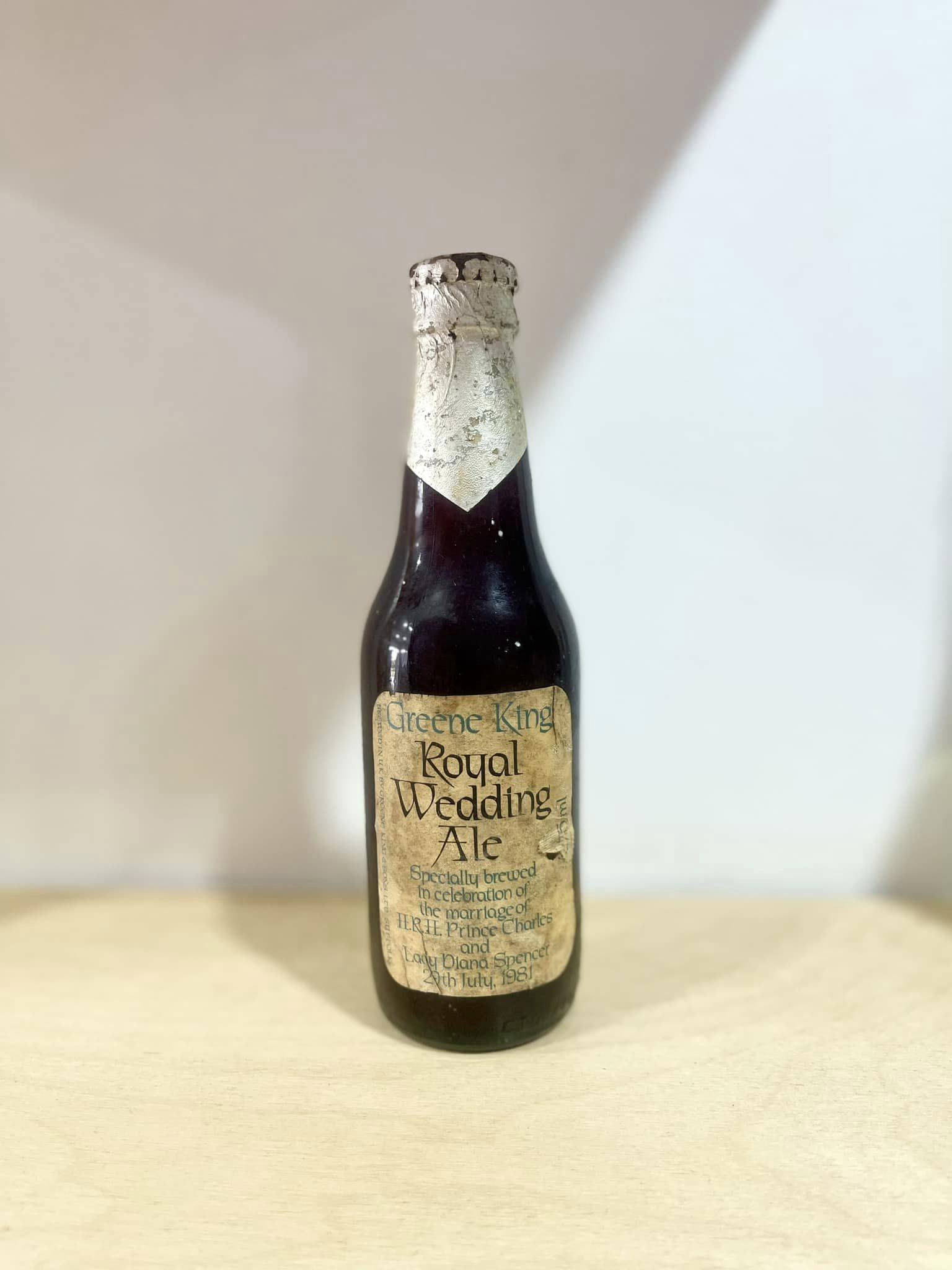
Taras: We have a sealed bottle from Princess Diana and Prince Charles’ wedding, gifted by a Rotary Club friend. There’s also a bottle from Lviv Brewery, 1715, and one from Kharkiv Brewery. As with my cheese museum, the story behind each exhibit is crucial. We collect antique beer glasses, including a German one from 1771 with over 20 numbers, showing its change of ownership through bar stamps. This history fascinates me.
Anna: How about sports? I heard you had a great start in your sports career.
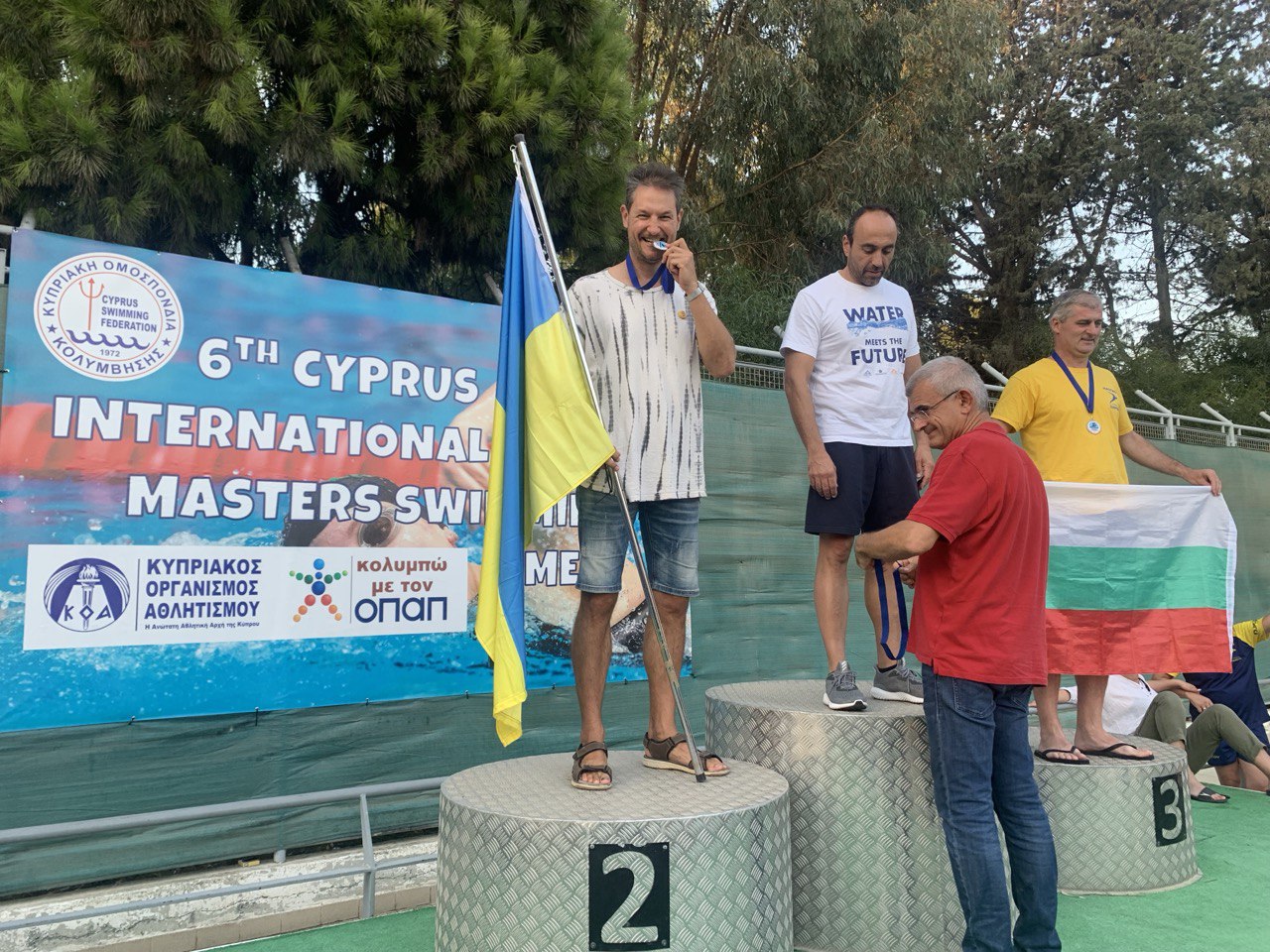
Taras: I once attended a sports school and was a member of the Ukrainian national swimming team, swimming 14 kilometers a day. Eventually, I hated it, especially after breaking my arm, and didn’t swim for about 15 years. However, in Cyprus, I resumed training and recently, in November, won a silver medal, proudly accepting it with our Ukrainian flag.
Anna: How do you deal with emotional burnout and replenish your internal resources?
Taras: I graduated from the Academy of Arts and love painting. During the lockdown, I created an exhibition of portraits of my colleagues who helped to build Octopus. Each portrait takes two evenings to create, using cardboard from beer packaging.
Anna: What would you recommend to read?
Taras: Two impactful books are Yuval Noah Harari’s “21 Lessons for the 21st Century” and Nassim Taleb’s “The Black Swan.” These books influenced my views on randomness and future forecasting.
Anna: Your advice to new entrepreneurs in Cyprus?
Taras: Study the unique Cypriot community thoroughly. Here there are a lot of possibilities, but understanding local mentality and valuing reputation is crucial. Make friends with locals and cherish your reputation as it’s nearly impossible to restore once damaged.

I invite everyone to visit our brewery, see our beer brewing process, taste our beer, and visit the beer museum. I’m open to cooperation and new acquaintances.
Our conversation with Taras flew by. His energy is contagious, inspiring others to realize their ideas. We encourage everyone to experience the atmosphere of the Octopus microbrewery and visit the beer museum.
Contact:
Tel.: 97669447
Аddress: Σωτήρα, Strovolos 5390
site: https://octomicrobrewery.life/
Insta: https://www.instagram.com/octomicrobrewery/
FB: https://www.facebook.com/octomicrobrewery
YouTube: https://www.youtube.com/channel/UCqKOQsorHGfLpj6MHIA9RNQ